
Isolation exercises get hated on a lot in the fitness industry. A lot of lifters say that they are for sissies because you can’t use a lot of weight, but isolation work has its place in every program and it could be a solid tool for improving muscle imbalances, weak points, extra workout volume and stuff of that nature.
I am personally a big advocate of incorporating isolation work in my programs after all of the big heavy compound work is done. My favorite isolation exercises for each muscle group are:
NECK: Curl + Extensions
UPPER TRAPS: Shrug Variations
LOWER TRAPS: Y DB Raises
LATS: Decline Pullovers
SHOULDERS: Shoulder Raises
BICEPS: Curl Variations
TRICEPS: Extension Variations
FOREARMS: Wrist Roller work
ABS + OBLIQUES: Weighted Plank Variations
LOWER BACK: Back Extension Variations
GLUTES: Monster Band Side Walks
HAMSTRINGS: Lying Hamstring Curls
CALVES: Calf Raise Variations
The only muscle group that I don’t actual isolate are my quadriceps because leg extensions hurt my knee’s and I don’t recommend that movement either for the most part.
THE BIG DRAWBACK OF ISOLATION WORK
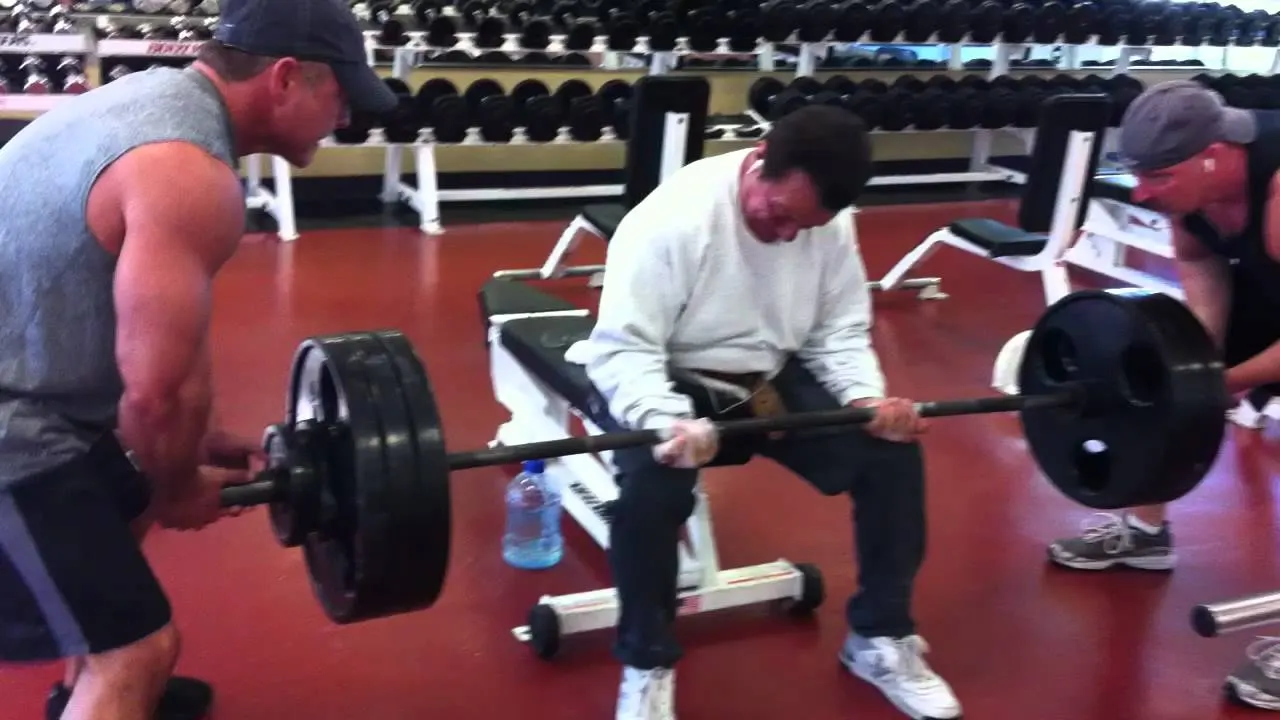
The thing that sucks about isolation work is that once you start getting strong on certain movements like curls or extensions, you most likely end up getting some elbow pain. The same thing could be said about shoulder raises and direct forearm work. Too much weight on calf work could potentially lead to ankle problems and neck pain will inevitably come if you are neck curling 3 plates.
This may not happen to people who have very thick joints and good genetics, but why take the risk in the first place?
THIS IS WHAT YOU SHOULD DO ABOUT IT
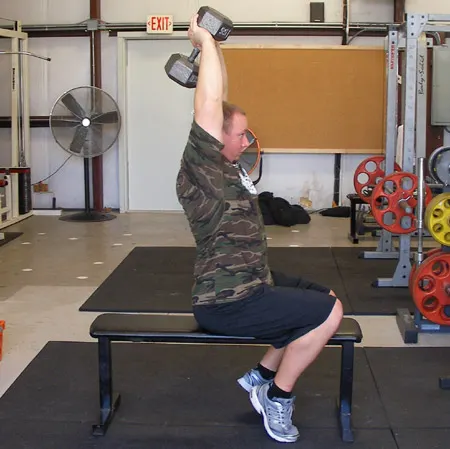
If you feel like you have gotten very strong on a lot of your isolation work and you don’t want to get injured then here are 5 big tips that you could use to help you stay injury free while still making progress and still get stronger as well.
1) DO YOUR ISOLATION WORK AFTER THE MAIN COMPOUND LIFTS TO PRE-EXHAUST YOUR MUSCLES
Lets say that you are hitting your biceps today but you don’t want to go so heavy on curls that you end up hurting your elbows, but you still want to get a good training effect. The smartest option would be to train your back first because then it will pre-exhaust your biceps so that way you don’t have to curl a ton of weight when it comes time to curl. The same thing can be said about pre-exhausting the triceps with chest work so that way you don’t have to use as much weight on extensions to get a good training effect.
2) STICK TO HIGHER REPS ON ISOLATION WORK (10+ REPS) FOR THE MOST PART
I have always been a big advocate of doing my isolation work for sets of 10 or more because then it becomes less of an ego thing and there are less risks involved.
3) USE STRICTER FORM ON YOUR ISOLATION WORK SO THAT YOU CAN’T USE AS MUCH WEIGHT
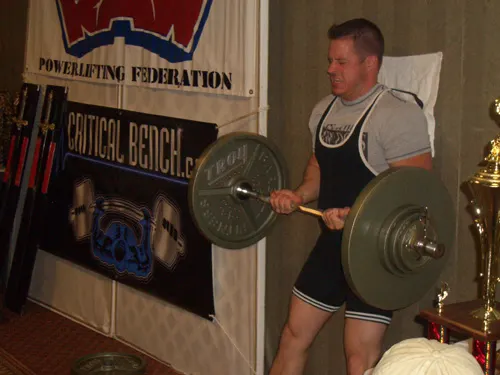
Cheat Curls definitely have their place and I use them myself, but when doing direct work on an isolation exercise, I like to use the actual muscle that I am working as much as possible with strict form to get the most out of the lift and torment that muscle as much as possible.
4) UTILIZE MORE PAUSES AND HARDER SQUEEZES WHEN DOING ISOLATION WORK SO YOU DON’T HAVE TO GO OVERBOARD WITH THE WEIGHT.
On top of stricter form, I like to utilize more pause reps during isolation exercises when I am about to finish my workout and I like to do harder squeezes too. Lets say that I was finishing off my biceps with 2 exercises (standing ez Bar Curls and Seated Incline DB Curls), I would use a bit of a looser form on the first exercise, but I would incorporate more pause reps and hard squeezes on the second exercise to get a good training effect.
CONCLUSION:
In the end, isolation work can still be done with a lot of intensity but you should just leave your ego at the door for the most part if you want to stay in the iron game for a longer period of time.